
Low-Profile Sneaker Trends 2026: What Sellers Should Know Before Sourcing
A practical sourcing guide for sellers evaluating low-profile sneaker demand, product directions, fit risk, materials, and fulfillment before scaling.
 XMDropshipping Team
Low-profile sneakers are one of the clearest footwear shifts sellers should watch in 2026. After several years of oversized soles and chunky silhouettes, buyers are moving toward flatter, slimmer, more understated shoes that feel easier to style across daily outfits.
For ecommerce sellers, this is not just a style headline. It is a product-testing signal. The opportunity is real, but footwear also carries fit, comfort, material, and return risks. This guide explains what low-profile sneakers are, which directions are worth testing first, and what to check before committing to inventory or private-label production.
What are low-profile sneakers, and why are they trending in 2026?
A low-profile sneaker is defined by a thinner sole, a slimmer side view, and less visual bulk than chunky sneakers. The appeal is not necessarily about performance. It is about proportion: a shoe that sits closer to the ground, looks cleaner with outfits, and can move between casual, streetwear, travel, and smart-casual styling.
The trend is being pushed from several directions at once: runway styling, archive sneaker revivals, ballet-flat hybrids, retro sport culture, and a broader move toward pieces that feel versatile rather than loud. For sellers, the practical read is simple: low-profile sneakers are not replacing every chunky shoe, but they are becoming a second fast-growing lane worth testing.
Are sneakerinas still trending in 2026? Four directions worth testing
Within the low-profile category, sellers should avoid betting everything on one silhouette. A better first test is a small product range across four directions, then narrowing based on click-through rate, saves, comments, add-to-cart rate, and return feedback.
1. Low-profile retro trainer
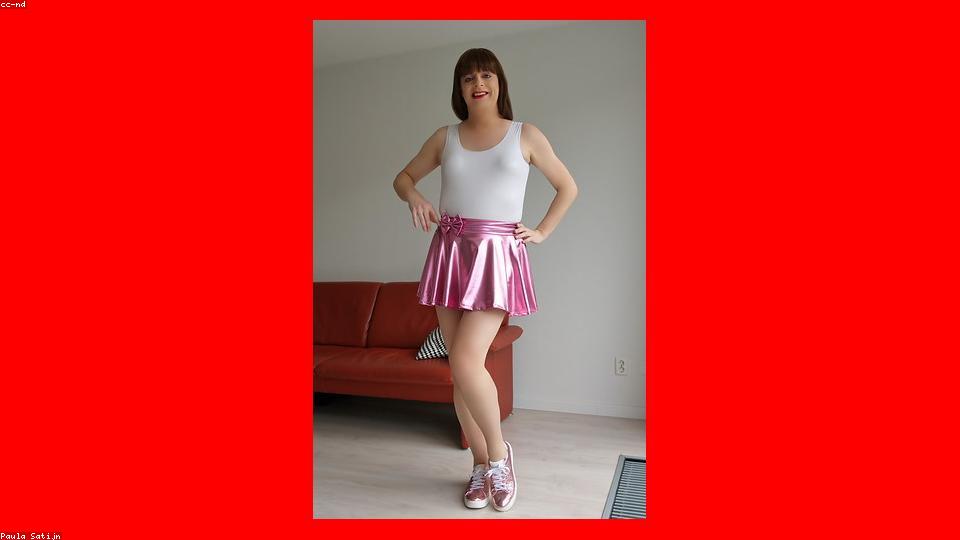
This is the broadest and safest direction. Think 1970s-style running shoes, thin soles, moderate toe boxes, suede or nubuck panels, nylon or mesh uppers, and gum soles. It works across genders and pairs easily with denim, shorts, tailoring, or travel outfits.
Best first colors include off-white, gum sole, navy, black, brown, olive, and small accent-color runs. The audience is usually broad: buyers around 20 to 38 who want one everyday sneaker that does not look too sporty or too formal.
2. Sneakerina / ballet-hybrid
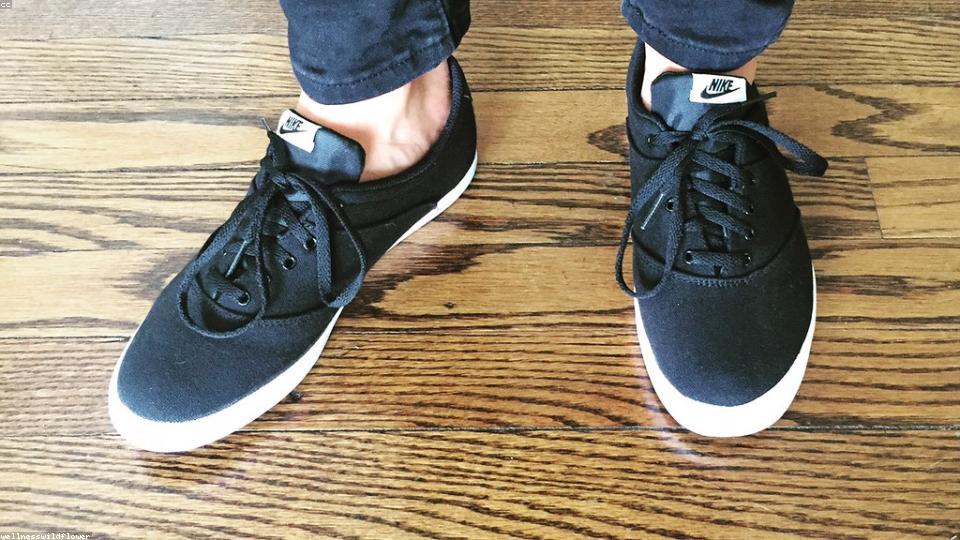
Sneakerina styles combine a ballet-flat mood with sneaker structure. They can include soft straps, satin finishes, Mary Jane details, rounded vamps, or thin sneaker soles. This direction can perform strongly in visual ads because it looks new without being difficult to understand.
It also carries more fit risk. Straps can rub, satin can stain, and narrow toe boxes can create returns if sizing is unclear. Use dusty pink, burgundy, silver-gray, off-white, black, and darker seasonal tones. This direction usually works best for women-focused styling and deserves smaller first tests before deeper inventory commitments.
3. Racing / court hybrid

This direction borrows from racing shoes, football boots, indoor court trainers, and retro sport silhouettes. The goal is to capture speed and streetwear energy without copying any protected brand details.
Materials can include suede, patent-look panels, metallic textiles, lightweight nylon, and high-contrast overlays. Red-white, cobalt-white, black-silver, and darker tonal combinations are all worth testing. This direction can help sellers reach male and gender-neutral streetwear audiences.
4. Quiet material sneaker
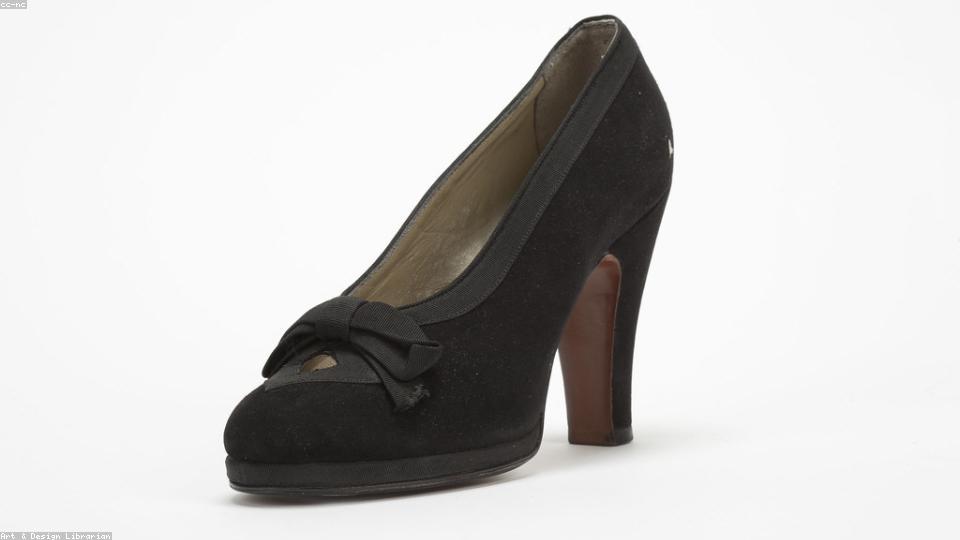
The quiet material sneaker avoids loud color blocking and obvious branding. Its appeal comes from proportion, texture, and quality cues: full suede, soft leather, tonal nylon, cleaner paneling, espresso brown, charcoal, off-white, black, and deep burgundy.
This lane may have a longer sales cycle than trend-driven colorways, but it can convert more consistently once the product page communicates material quality and styling clearly. It is especially useful for stores that want a more premium, less novelty-driven product line.
Fashion sneakers vs. barefoot shoes: do not mix up the claims
Low-profile sneakers are not the same as barefoot shoes. Both may look flatter than chunky footwear, but they are built and marketed differently.
A fashion low-profile sneaker can still include cushioning, a soft insole, and a lightly structured midsole. A barefoot shoe is a functional category built around specific construction principles, usually including zero heel-to-toe drop, a wide toe box, high sole flexibility, and minimal stack height.
This distinction matters in product copy. Unless the shoe is genuinely engineered and tested as a barefoot shoe, avoid claims like “corrects posture,” “improves gait,” “medical-grade comfort,” or “natural foot health.” Safer copy focuses on lightweight styling, retro inspiration, soft upper materials, cushioned insoles, flexible soles, and everyday wear.
What materials work best for low-profile sneakers?
Because the shoe has less visual bulk, material choice does more of the design work. Keep the palette tight instead of combining too many finishes on one shoe.
| Priority | Material | Why it works | | -------- | ------------------------------- | -------------------------------------------------------------- | | 1 | Suede + nylon or mesh | Broad appeal, flexible colorways, easier first sourcing tests. | | 2 | Full suede or soft leather | Higher perceived quality and a cleaner premium look. | | 3 | Satin or reflective textile | Strong visual impact, especially for female-focused creative. | | 4 | Washed canvas or crinkled nylon | Lower cost, casual feel, useful for younger audiences. | | 5 | Metallic or reflective accents | Best as a small detail rather than a full-shoe treatment. |
A practical first assortment can follow a 70 / 20 / 10 color rule: 70% neutral tones for daily wear, 20% soft seasonal shades, and 10% high-impact accents for ad creative.
US vs. Europe: same silhouette, different creative angle
The same low-profile sneaker can be positioned differently by market. Treat this as a testing hypothesis, not a fixed rule.
| Angle | Europe | US | | -------------- | ---------------------------------------------- | ----------------------------------------------- | | Entry point | Elegant, understated, material-focused | Retro sport, racing, and court culture | | Core buyer | Urban commuters and design-conscious shoppers | Gen Z and millennial retro-sport buyers | | Materials | Soft leather, suede, satin, washed nylon | Suede, mesh, nylon, canvas, gum sole | | Colors | Bone, coffee, burgundy, mist pink, silver-gray | Red-white, cobalt, olive, brown, vintage yellow | | Visual context | Tailoring, trench coats, city streets | Denim, shorts, athletic sets, street settings |
For a first test, build creative around “three outfits, one low-profile pair.” This helps confirm whether the silhouette itself is driving interest before you localize deeper by region.
Fit and return-risk checklist before you list

Footwear can look great in ads and still produce returns if fit is not managed carefully. Low-profile shoes make these details more important because the thinner silhouette leaves less room to hide discomfort.
| Area | What to check before listing | | ------------------ | ----------------------------------------------------------------------------------- | | Toe box | Confirm the front leaves enough room, even when the visual shape is narrow. | | Heel and collar | Check heel hold, collar padding, and lace or strap tension during walking. | | Underfoot feel | Keep some cushioning so a thin-looking sole does not feel hard. | | Straps and trim | Soften contact points on ballet-style straps and suede edges. | | Weather resistance | Add care instructions for satin and suede; consider winter-friendly materials. | | Sizing variance | Provide foot length, width notes, instep guidance, and try-on video where possible. |
The product page should make sizing clear before checkout. A strong size guide often reduces more refunds than a prettier product photo.
What should sellers test before sourcing footwear? A 3-step approach
Step 1: Build a lightweight test set
Prepare a small set of references for each direction, one color palette, and two or three ad concepts. Test the silhouette before expanding SKU count.
Step 2: Compare hooks
Run a silhouette hook against an outfit hook. For example, compare a close-up of the slim profile with “three outfits, one pair.” Track click-through rate, three-second video retention, saves, comments, and add-to-cart rate.
Step 3: Narrow and go deeper
Keep the one or two directions with the strongest signal, then test material and color variations. Watch comments like “too thin,” “looks uncomfortable,” “hard to style,” or “worried about foot pain.” These are early warnings on fit and positioning.
How XMDropshipping supports sourcing and product development
Testing a trend is only the first part. Moving from validated creative to a sellable product means your supply chain has to support materials, sizing, inspection, packaging, and fulfillment.
1. Product sourcing
Once you know which direction is earning engagement, XMDropshipping can help compare suppliers that can actually produce the materials, colorways, and finish quality required for that style.
2. Private label and customization
For footwear, customization does not always mean rebuilding the shoe. Small details like branded insoles, a custom strap, a stitch line, a colorway, or a care card can create brand identity without forcing a full custom mold.
3. Product quality inspection
Inspection is especially important for low-profile sneakers. Toe box shape, heel security, insole feel, strap friction, glue marks, stitching, and sole alignment should be checked before products ship.
4. Custom packaging

Packaging can reinforce the product position. Branded mailers, tissue paper, care cards, and shoe-shape protection help a premium-looking pair feel considered when it arrives.
5. Warehousing and fulfillment
Once a product moves from test to steady order volume, delivery speed and tracking become part of the customer experience. XMDropshipping can help coordinate fulfillment routes and keep post-purchase communication more predictable.
6. Shopify order workflow
For Shopify sellers, a cleaner workflow means fewer manual steps during fast trend tests. Product syncing, order processing, tracking updates, and inventory visibility all matter when several silhouettes or colorways are being tested at the same time.
Final thoughts
Low-profile sneakers are not one single product bet. They are a proportion shift across retro trainers, sneakerina hybrids, racing/court styles, and quiet material sneakers. The safest starting point is the retro trainer lane because it is broad, familiar, and easier to fit.
The higher-upside directions can work too, but they need tighter testing and better operational control. Satin durability, strap friction, narrow toe boxes, and unclear sizing can turn a strong ad test into refund pressure.
The best approach is to test first, source second, and scale only after product feedback supports the creative signal. That is how a trend becomes a durable product line instead of a short-lived campaign.
Ready to test your next footwear trend?
XMDropshipping helps ecommerce sellers move from product idea to sourcing, private label, inspection, packaging, and fulfillment with a more controlled workflow.
FAQs
What are low-profile sneakers?
Low-profile sneakers are shoes with a thin sole, slim side profile, and less visual bulk than chunky sneakers. They are a style category, not automatically a performance or medical footwear category.
Are sneakerinas still trending in 2026?
Yes. Ballet-inspired sneaker hybrids remain worth testing, especially for women-focused fashion audiences. Start small because straps, satin, and narrow fits can increase return risk.
What materials work best for low-profile sneakers?
Suede and nylon or mesh combinations are the most practical first choice. Full suede and soft leather create a more premium look, while satin works best for limited or seasonal styles.
Are low-profile sneakers the same as barefoot shoes?
No. Barefoot shoes are built around functional construction standards. Low-profile fashion sneakers are mainly about visual proportion and everyday styling.
What should sellers test before sourcing footwear?
Test references, ad hooks, styling angles, sample comfort, material durability, and sizing clarity before committing to inventory, supplier terms, or private-label changes.